research.

I work across the education journey, from early childhood to higher education, with a focus on how institutions support students through critical transitions. I conduct and contribute to research that informs national education policy and produced Kazakhstan's first child-voiced well-being dataset, drawing on both large-scale quantitative analysis and grounded qualitative work. I have analyzed institutional data on thousands of students, providing higher education leaders and professionals with meaningful recommendations to enhance student experience and retention.

2024–2025

Nurturing Young Minds: Early Childhood Well-being in Kazakhstan

Multi-year project in partnership with the University of Melbourne

Quality early childhood education shapes children’s developmental, health, and educational trajectories, yet its role in young children’s well-being, as distinct from academic readiness, remains poorly understood, particularly in Central Asia. As a core team member, I helped build the first child-voiced well-being dataset in a Central Asian context, working directly with 316 children aged 4 to 7 across public and private kindergartens in multiple regions of Kazakhstan and navigating informed assent and child-safeguarding protocols in the field.

I served as one of two lead analysts on the project’s flagship qualitative study, conducting PERMA-H-guided thematic analysis of 316 child interviews in NVivo, and led a PRISMA systematic review on positive psychological interventions for young children’s mental health, screening 2,900 records across six databases. The work produced Q1 publications, a chapter in Kazakhstan’s 2023 National Education Report, and a methodological paper on ethical research with young children, with recommendations directed at early childhood educators and policymakers.

Publications from this project

Select a title to read the abstract and full citation.
  1. A young child’s crayon drawing of a red house under a blue sky, framed by a colourful patterned border with cartoon children peeking over the top

    Journal article

    Hernández-Torrano, D., Ibrayeva, L., Sergazina, M., Burambayeva, A., Kulsary, A., Vella-Brodrick, D., & Eadie, P. (2026)
  2. A young child’s crayon drawing of two stick figures, framed by a colourful patterned border with cartoon children peeking over the top

    Journal article

    Ibrayeva, L., Sergazina, M., Burambayeva, A., Kulsary, A., & Hernández-Torrano, D. (2026)
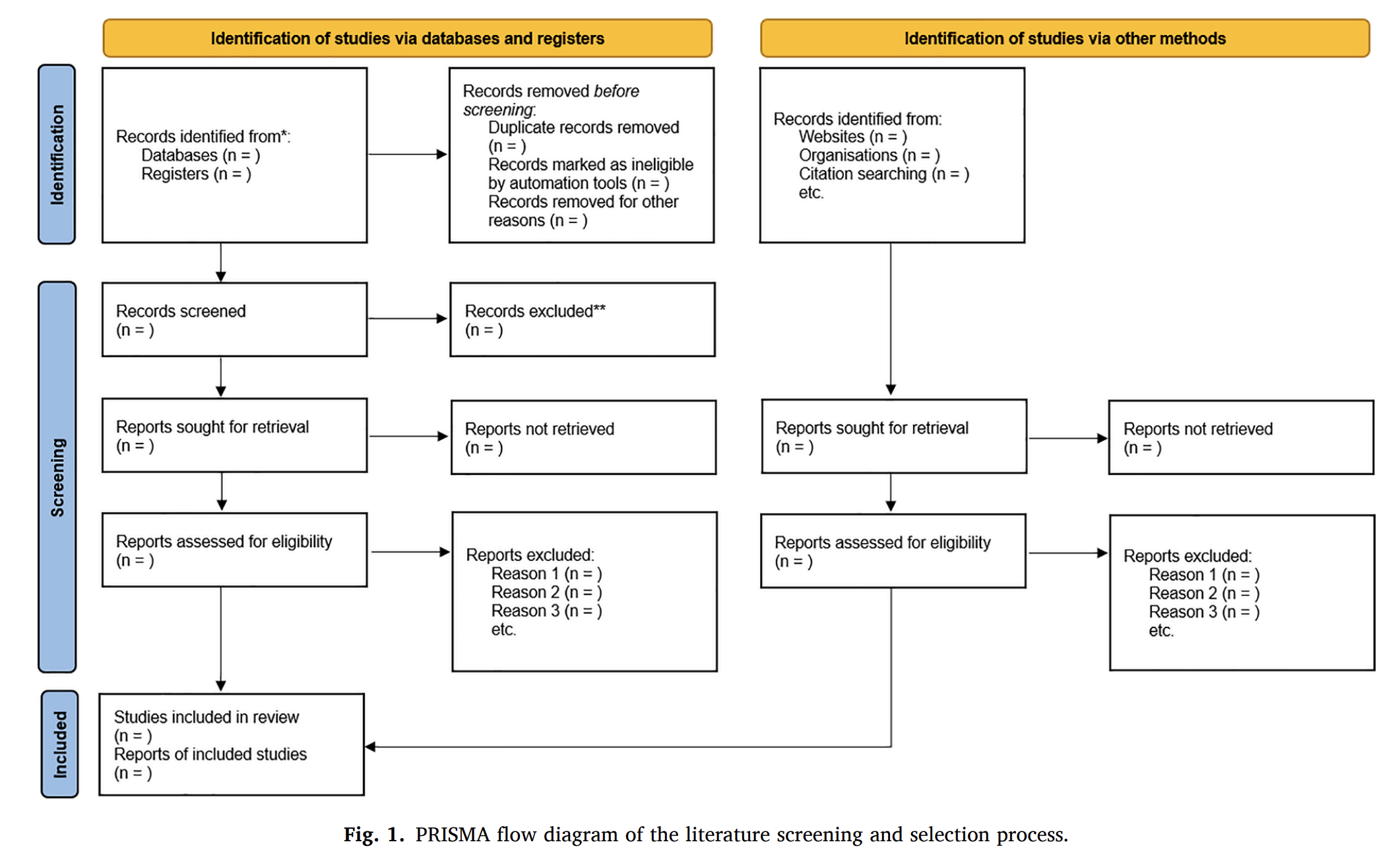
  3. A PRISMA flow diagram illustrating the literature screening and selection process for a systematic review

    Journal article

    Hernández-Torrano, D., Vella-Brodrick, D., Ibrayeva, L., Sergazina, M., Lewis, K., Burambayeva, A., & Kulsary, A. (2025)
  4. The blue cover of “Promoting Well-being in Early Childhood Education and Care in Kazakhstan: From Policy to Practice,” featuring a child’s colored-pencil drawing of a girl with braids beside a tree, bird, sun, and orange cat

    Book or guide

    Hernández-Torrano, D., Vella-Brodrick, D., Eadie, P., Ibrayeva, L., Kulsary, A., Burambayeva, A., & Sergazina, M. (2025)
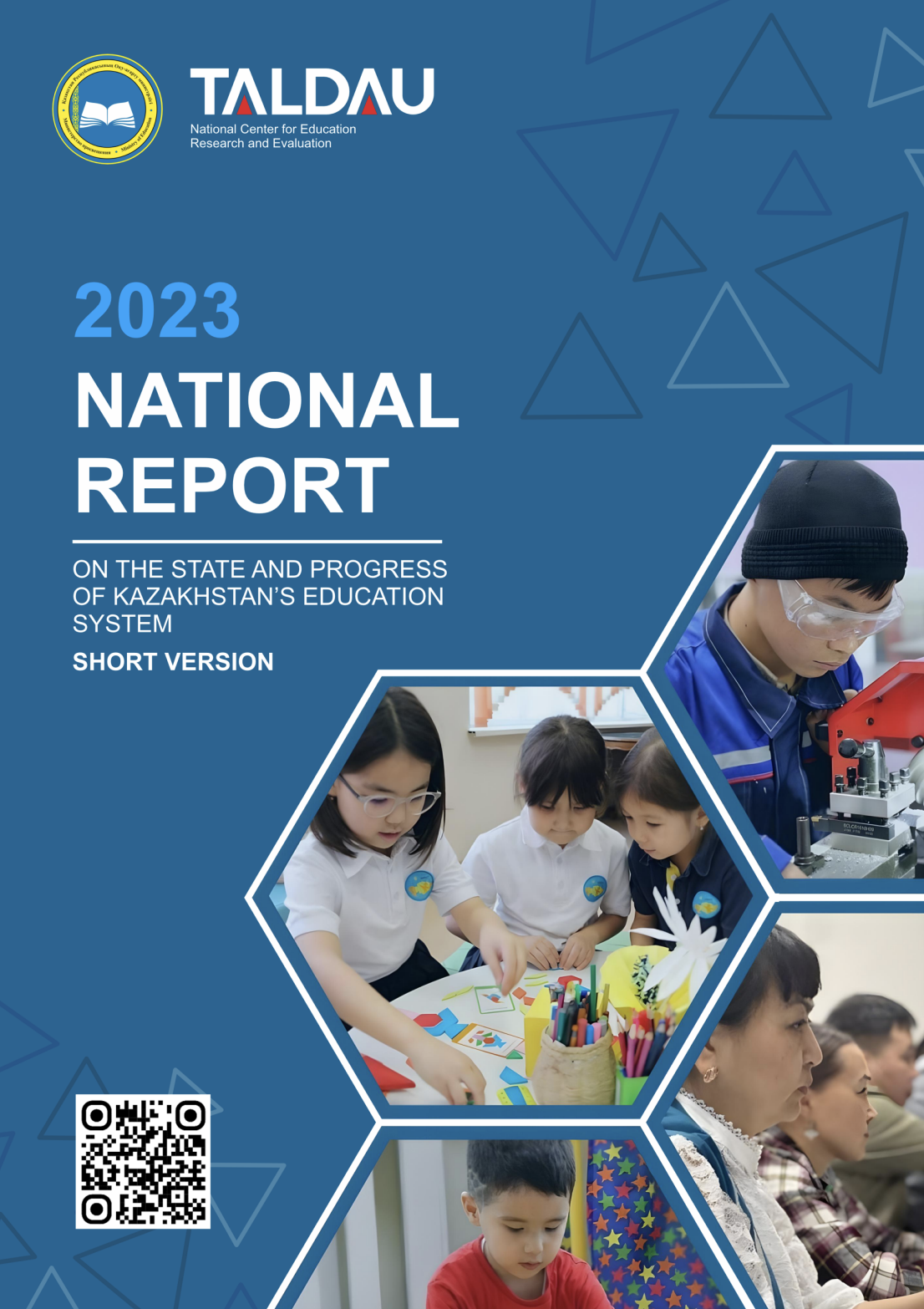
  5. The blue cover of the 2023 National Report on the state and progress of Kazakhstan’s education system, published by the TALDAU National Center

    Report

    National Center for Education Research and Evaluation “Taldau”. (2024)
2024–2026

Timing and Risk in Academic Probation

MSc thesis, Nazarbayev University — Publication under review

First-year transitions are where many students falter, but institutions often respond to academic difficulty too late to change the outcome. Using survival analysis across an institutional dataset of more than 7,000 student records, I modeled when students become at risk of academic probation and which factors shape that timing, rather than treating risk as fixed.

The analysis identified critical windows in the first-semester transition where institutional support is most consequential, pointing to structural gaps in how universities support students through that period. The findings translate into concrete, timing-sensitive recommendations for higher education leaders on student persistence and experience.

2023

STEM Student Mobility Under Geopolitical Disruption

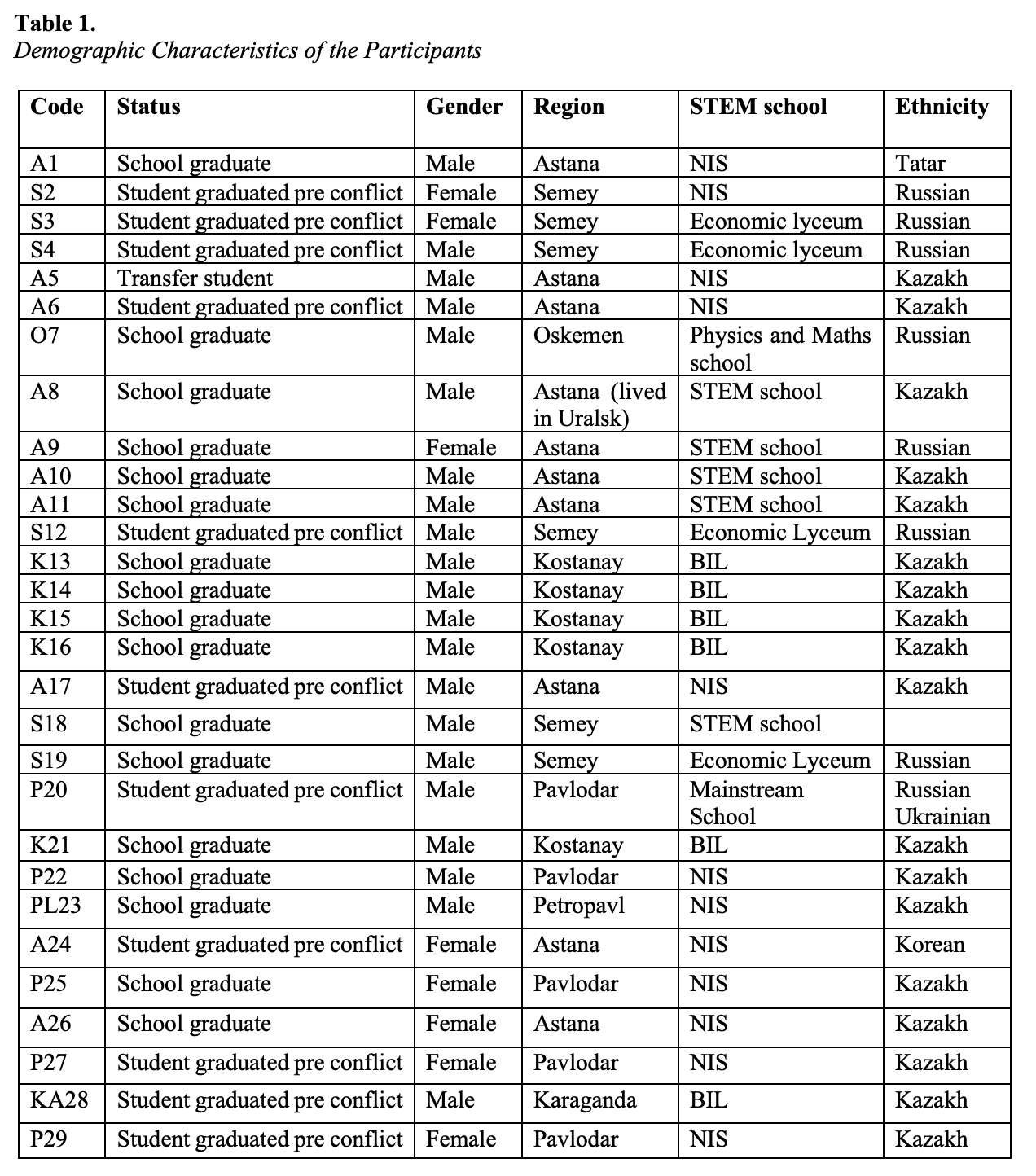
When the Russia–Ukraine war disrupted long-established mobility patterns, it was unclear how STEM students in Kazakhstan, a region where most border-region graduates had historically chosen Russian universities, were rethinking where and whether to study abroad. Through 29 semi-structured interviews with current and prospective mobile students across six border regions, conducted in Russian and Kazakh, I co-authored a study examining how the conflict reshaped their decisions.

Analyzing the interviews thematically in NVivo, the study found that mobility decisions had become highly sensitive to geopolitical turbulence, driven by safety, financial, and social concerns that the conventional push-pull model does not fully capture. The work offers higher education institutions practical guidance on supporting students caught in geopolitical crises.

Publication from this project

Select a title to read the abstract and full citation.

  1. A demographic characteristics table summarizing the study’s participants by code, status, gender, region, school, and ethnicity

    Journal article

    Almukhambetova, A., Sparks, J., Sergazina, M., & Ospanbek, A. (2024)